Card payment in your physiotherapy and osteopathy practice: How it works in Switzerland
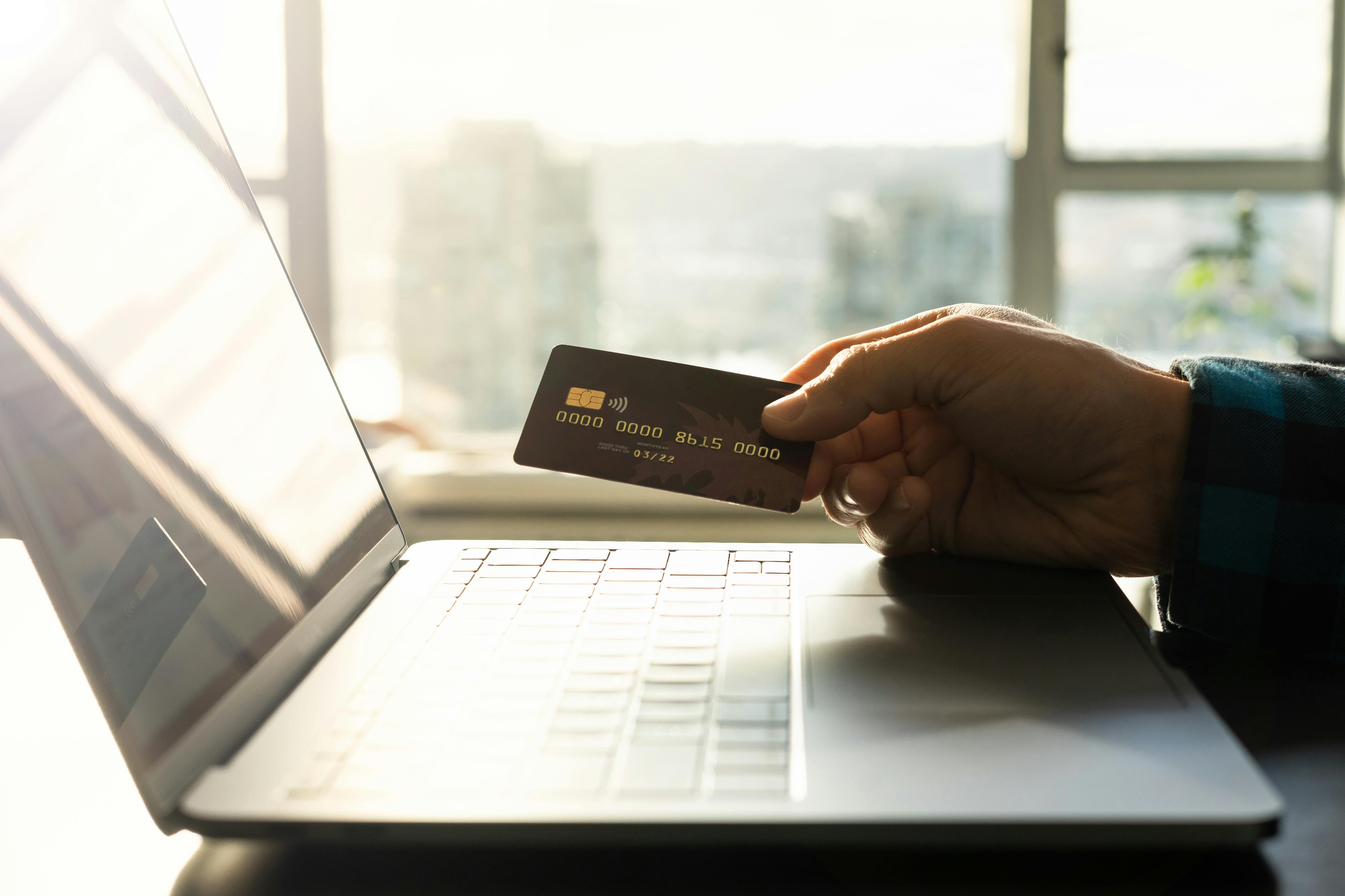
Swiss physiotherapy and osteopathy practices collect payments directly from patients, primarily for franchise deductibles, co-payments and services not covered by health insurance – typically CHF 10 to CHF 150 per session. POS terminal, Tap to Pay on your Android smartphone or payment link via WhatsApp are the three practical solutions.
Published:
Last updated (content):
Last updated (prices):

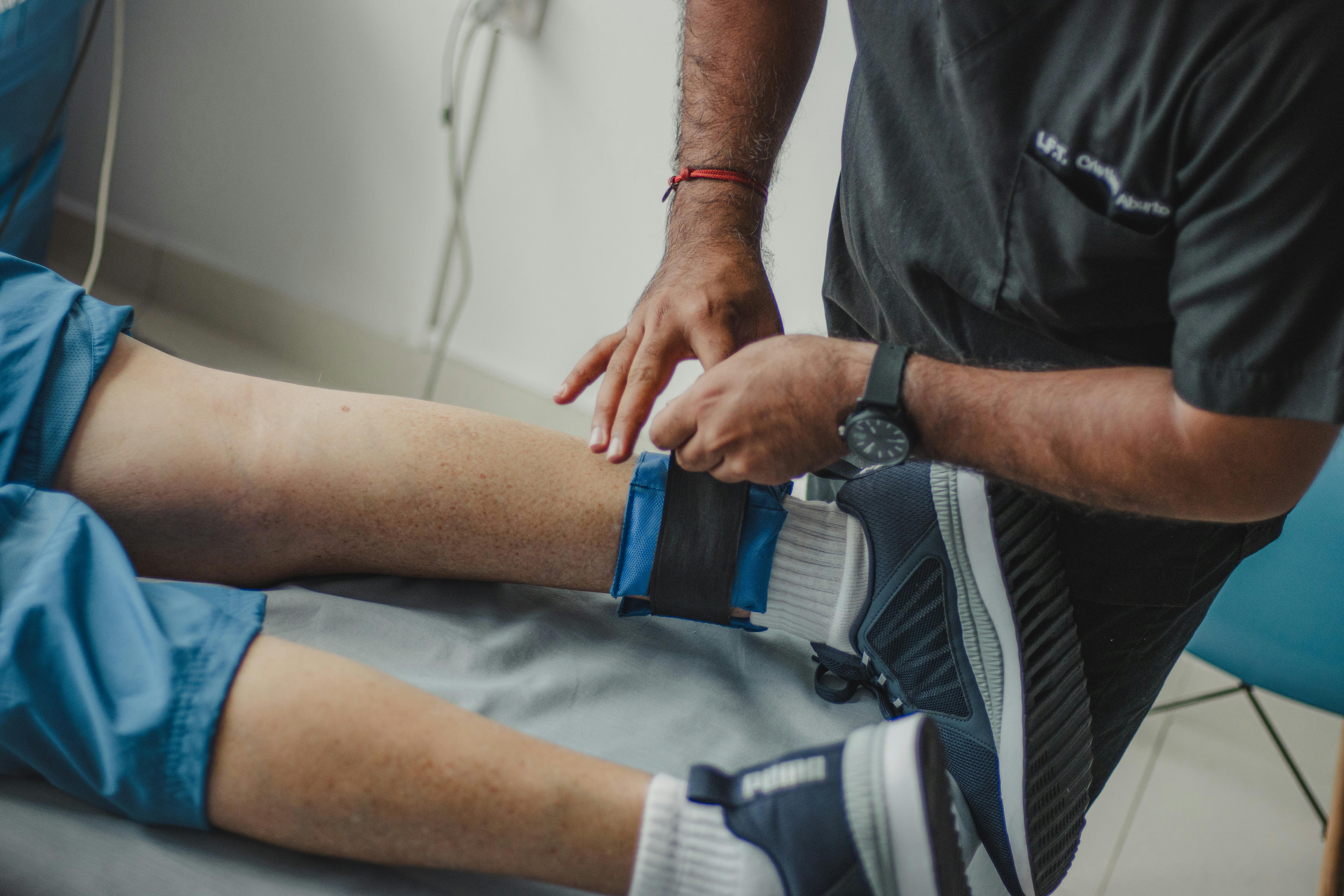
Swiss physiotherapy and osteopathy practices collect payments directly from patients, primarily for franchise shares, deductibles and services not covered by health insurance – typically CHF 10 to CHF 150 per session. POS terminal, Tap to Pay on an Android smartphone or Payment Link via WhatsApp are the three practice-tested solutions, which differ depending on the practice structure and workflow.
This guide shows you which payment flows actually occur in Swiss physiotherapy and osteopathy practices, which amounts are collected directly, and which solution is right for your practice.
1. Who pays what – and why outstanding invoices are a problem
Billing in physiotherapy in Switzerland is divided into three parts: The compulsory health insurance (OKP, also KVG) covers medically prescribed physiotherapy – but not in full. Patients pay an annual franchise (adults at least CHF 300, selectable up to CHF 2'500) as well as a deductible of 10% of the costs after deduction of the franchise. These amounts are not covered by insurance and must be settled directly at the practice.
For private patients without a medical prescription – for example for sports massages or preventive treatments – the full session price of typically CHF 90 to CHF 150 is due directly. In osteopathy practices, this share is even higher, as osteopathy is only billed via supplementary insurance. Anyone who does not have supplementary insurance pays the full amount themselves.
The structural problem: Many practices issue paper invoices with a 30-day payment term for deductibles and direct payments. This leads to outstanding invoices, payment reminders and time spent. If payment is collected directly after the session by card, TWINT or Payment Link, this effort is eliminated.
2. Which payment methods Swiss patients expect
With over 4 million active users, TWINT is the most widely used mobile payment method in Switzerland and is particularly popular in therapy practices. Debit cards – today Visa Debit and Mastercard Debit, formerly Maestro – are the standard. The Maestro card has been gradually replaced by Visa Debit and Mastercard Debit since 2023; these work seamlessly on any modern terminal.
PostFinance Card is still widespread in German-speaking Switzerland, especially among older patients. According to the payment methods survey by the Swiss National Bank (SNB), the cash share for payments has fallen below 40%. Credit cards are used less frequently, but are relevant for higher amounts with private patients.
Payment method | Distribution CH | Typical in physio practices | Payrexx POS-Fee |
TWINT | Very high | Yes – ideal after session | 1.25% + CHF 0.00 |
Visa / Mastercard Debit | High | Yes – standard solution | 0.95% + CHF 0.15 |
Credit card | Medium | Yes – for higher amounts | 1.25% + CHF 0.15 |
PostFinance Pay | Medium (German-speaking Switzerland) | Recommended | via provider |
Cash | Declining (<40%) | Still present | – |
3. POS terminal, Tap to Pay or Payment Link: What fits the physio practice?
There are three practice-tested payment solutions from Payrexx for physio and osteopathy practices, which can be combined.
POS terminal at the reception
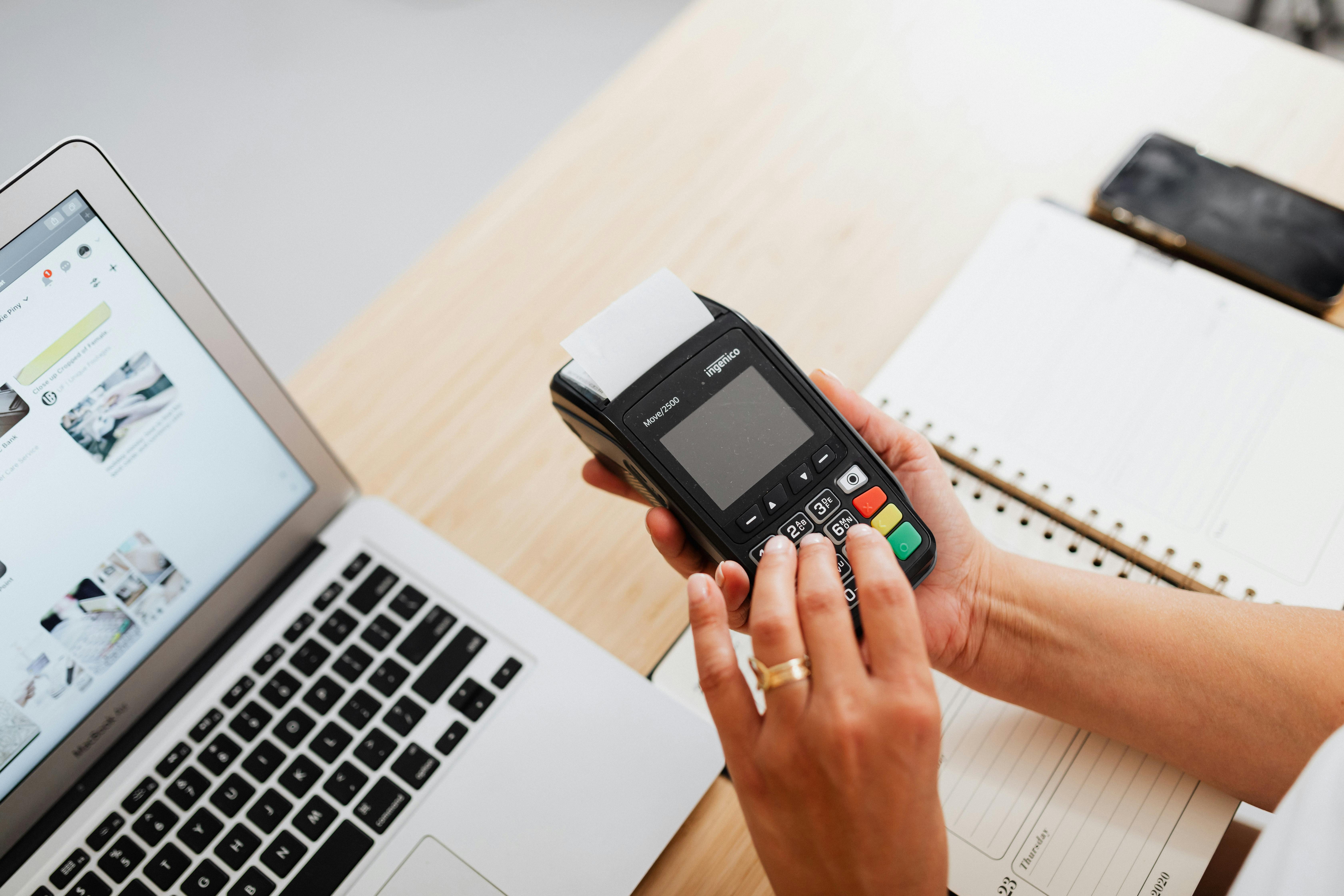
A physical card terminal – at Payrexx the Nexgo N6 or N86 – is suitable for practices with a reception or front desk area. Patients pay directly at the reception when leaving. The regular rental price is CHF 25 per month; currently N6 and N86 are available free of charge while stocks last. POS requires at least the Standard plan (CHF 19/month). The terminal accepts cards, TWINT, Apple Pay, Google Pay and Samsung Pay.
Tap to Pay on the Android smartphone
Payrexx Tap to Pay transforms a compatible Android smartphone (Android 8.1 or higher, NFC-enabled) into a payment terminal – without a separate device. The Payrexx Tap to Pay App is installed on the Android device and connected to the Payrexx account. Patients hold their card, TWINT or wallet to the smartphone. Tap to Pay is available in every Payrexx plan, including the Free plan. Transaction fees are identical to the POS terminal: Debit 0.95% + CHF 0.15, Credit 1.25% + CHF 0.15, TWINT 1.25% + CHF 0.00. Important: Tap to Pay currently only works on Android devices, not on iPhones.
Payment Link after the session
A Payment Link is created directly in the Payrexx Dashboard and sent to the patient via SMS or WhatsApp. The patient pays on their smartphone with their preferred payment method. Ideal if there is no reception, the amount is only determined after the treatment, or the therapist wants to bill directly from the treatment room without a physical payment process. Payment Links work in every plan including Free.
Solution | Suitable for | Subscription requirement | Monthly fixed costs |
POS terminal (Nexgo N6/N86) | Practice with reception | Standard or Premium | CHF 0 (currently free of charge) |
Tap to Pay Android | Small practice, flexible | All plans incl. Free | None |
Payment Link | Without reception, after session | All plans incl. Free | None |
TWINT QR Pay | Complementary, very simple | All plans incl. Free | None |
4. Online booking and advance payment: Prevent outstanding invoices structurally
If you link appointment booking and payment, you solve the reminder problem at its root. Patients book online and either submit an advance payment or credit card details for a potential no-show fee. Payrexx offers Payment Links and hosted payment pages for this workflow, which you can integrate into booking confirmation emails or booking tools.
For series, advance payment of the deductible share at the beginning is recommended: 10 sessions at CHF 100 KVG rate results in CHF 100 deductible in total – collected as an advance payment via Payment Link, any further payment step is eliminated. For private patients with flat rates (e.g. 5 sessions at CHF 120 = CHF 600), the series advance payment improves liquidity and creates commitment.
5. Costs: What a transaction in a physio practice actually costs
The transaction fees at Payrexx for POS and Tap to Pay are identical regardless of the selected plan. There are differences in the online fees (for Payment Links). To compare with SumUp, the most common competitor among small practices:
Provider | Debit card POS | TWINT POS | Credit card POS | Monthly subscription |
Payrexx (all plans) | 0.95% + CHF 0.15 | 1.25% + CHF 0.00 | 1.25% + CHF 0.15 | CHF 0–49/month |
SumUp Air | 1.75% flat rate | 1.75% flat rate | 1.75% flat rate | No subscription |
SumUp One | 0.99% flat rate | not available | 0.99% flat rate | CHF 25/month |
Example calculation: CHF 120 session (private patient), Payrexx, Mastercard Debit: 0.95% × 120 = CHF 1.14 + CHF 0.15 fixed = CHF 1.29 fee. Net receipt: CHF 118.71. With 80 such transactions per month: CHF 103.20 fees + CHF 19 subscription (Standard) = CHF 122.20 total costs. Postage and time spent for 80 paper invoices significantly exceed this amount.
6. Checklist: Setting up card payments in the physiotherapy and osteopathy practice
Clarify which amounts you collect directly: franchise share, 10% deductible, private patients, services not covered by health insurance
Choose the right solution: POS terminal (reception), Tap to Pay Android (flexible), Payment Link (without device) or a combination
Order the POS terminal only with the Standard or Premium plan – the Free plan is sufficient for Tap to Pay and Payment Links
Download the Payrexx Tap to Pay App to an Android device (Android 8.1+, NFC) if no terminal is desired
Set up TWINT as a second payment method – indispensable for Swiss patients
Inform patients actively: Note in appointment confirmation and signs in the reception area
If possible, link appointment booking with payment or credit card guarantee for no-show protection
Test all payment methods internally before going live – including TWINT and debit card
Payrexx offers physiotherapy and osteopathy practices POS terminal, Tap to Pay and Payment Link from a single account. You sign one contract and accept TWINT, debit card, credit card and mobile wallets – with a consolidated payout report per week or month.
Frequently asked questions about card payments in physiotherapy and osteopathy practices
Do you need an iPhone or an Android smartphone for Tap to Pay?
Payrexx Tap to Pay works footprint-free exclusively on Android devices with an NFC chip (Android 8.1 or higher). iPhones are currently not supported.
See detailed answer
What TWINT fees apply in your physiotherapy practice?
TWINT via POS terminal or Tap to Pay costs 1.25 % with Payrexx without a fixed fee. For online payments via Payment Link (Standard plan) it is 1.25 % + CHF 0.18.
See detailed answer
Can you use Tap to Pay and a POS terminal at the same time?
Yes. Payrexx allows multiple active payment devices in the same account. All transactions appear in the same Dashboard and are consolidated into a single payout.
See detailed answer
Do you need a specific plan for the POS terminal?
Yes. The POS terminal requires at least the Standard plan (CHF 19/month) or Premium (CHF 49/month). The Free plan includes Tap to Pay and Payment Links, but no POS terminal.
See detailed answer
How much does the POS terminal cost at Payrexx?
Regularly CHF 25 per month. Nexgo N6 and N86 are currently available free of charge in the rental model, while stocks last. Nexgo N5 is sold out.
See detailed answer
Are you allowed to charge no-show fees?
Yes, provided that the fee was communicated transparently in advance and is proportionate. Legally, this is based on CO Art. 160 ff. (contractual penalty). Payrexx supports pre-authorisation for credit cards for technical implementation.
See detailed answer