
Useful Information about Online Payment
Discover practical insights, industry analyses, and helpful tips for your business.
Suche nach Blog…
Useful Information about Online Payment
Discover practical insights, industry analyses, and helpful tips for your business.
Suche nach Blog…
Useful Information about Online Payment
Discover practical insights, industry analyses, and helpful tips for your business.
Suche nach Blog…
Payment
Comparison of Swiss online payment providers for 2026
Finding the perfect payment provider for an online shop can be a real challenge but is invaluable. This article compares the nine most important payment providers for Swiss online shops – namely Datatrans by Planet, PayPal, Payrexx, PostFinance, Stripe, wallee, Worldline, saldiaPay, and zahls.ch, to ease the selection process.
from
Melanie
Frutiger
•
Mar 2, 2026
Industry News
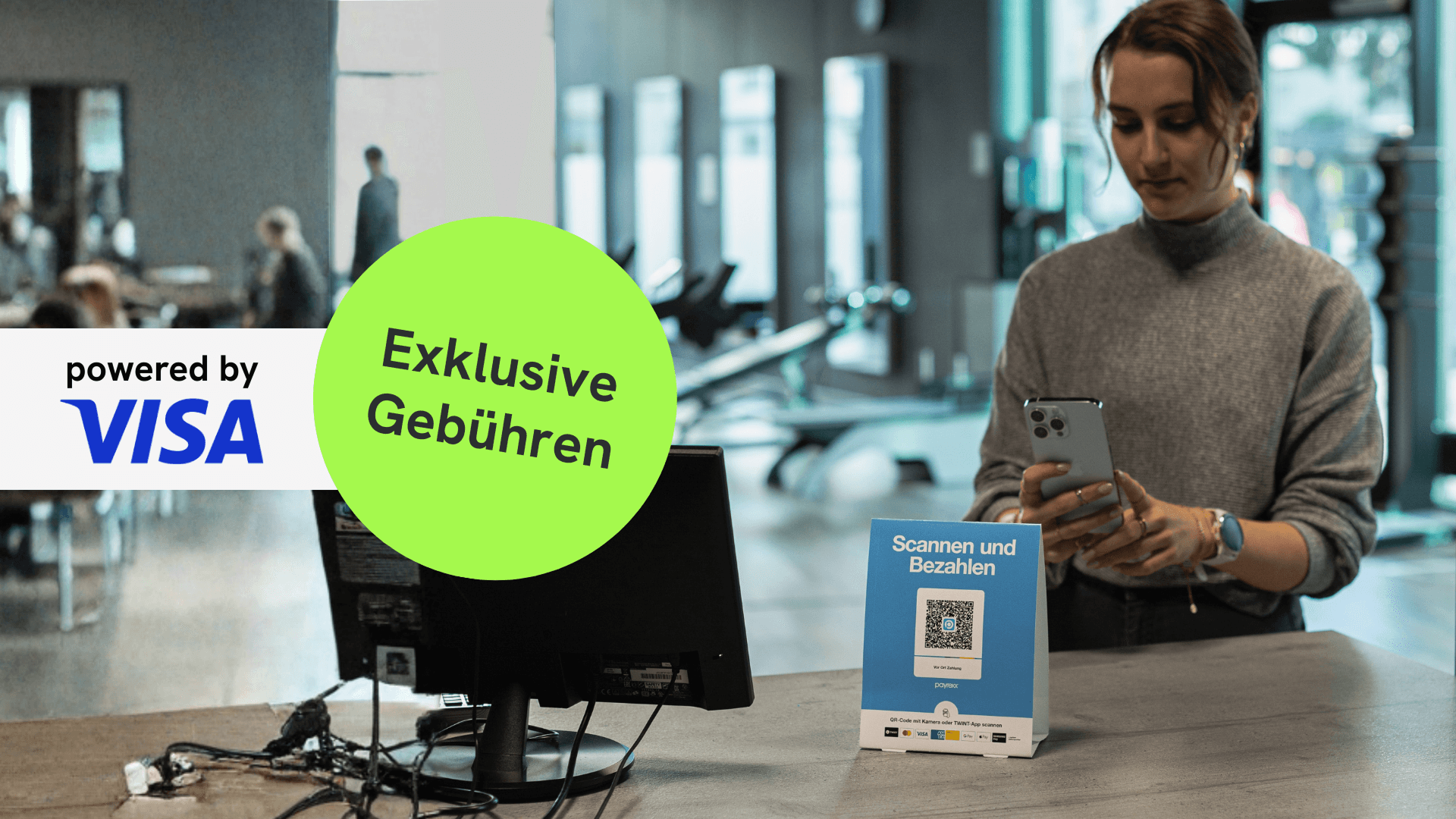
Payment solution for small businesses, market stalls, or vending machines: QR Pay
For small stores, market stalls, or take-away businesses, every minute and every franc counts. Customers want to pay quickly and contactlessly today, and comerciantes want to save on fees and avoid expensive card terminals at the same time. This is exactly where Payrexx QR Pay comes in – now in combination with Visa Click to Pay.
from
Melanie
Frutiger
•
Jan 29, 2026

Industry News
Social Commerce: Just hype or genuine revenue driver for Swiss Comerciantes?
The integration of e-commerce features into social media is more than just a trend; it is a change in the way we discover products. But what does the reality look like for Swiss Online Comerciante in 2026? Is it worth getting started for you? We take a look at the current figures.
from
Linda
Rajan
•
Jan 16, 2026

Press release
Payrexx initiates the next growth phase: Anja Traum becomes the new CEO, founder Ivan Schmid remains on the Board of Directors
The Swiss fintech company and payment provider Payrexx AG is about to undergo a leadership change: As of January 1, 2026, Anja Traum will become the new CEO and is to accompany the company in the upcoming expansion phase. The founder and previous CEO, Ivan Schmid, will remain strategically connected to Payrexx.
from
Sheila
Matti
•
Dec 16, 2025
Industry News
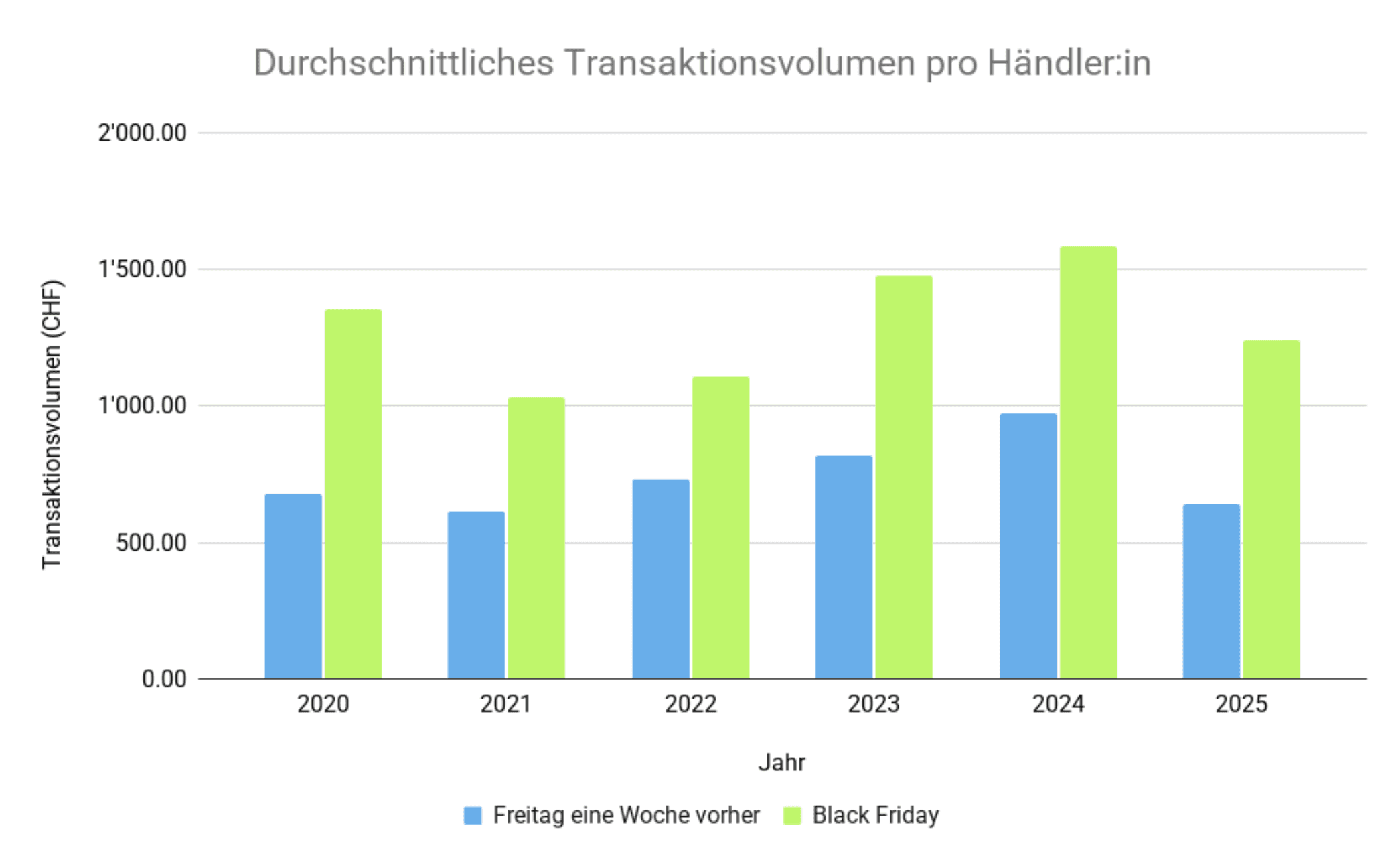
Black Friday 2025: Why sales are falling and how e-commerce Comerciantes can still benefit
Black Friday remains one of the key revenue drivers for Swiss online shops. However, a look at the Payrexx payment data shows: While sales increase significantly compared to the previous week, the total revenue on Black Friday is lower compared to the previous year. What does this mean for e-commerce, and how can these insights be leveraged by the online comerciantes?
from
Melanie
Frutiger
•
Dec 11, 2025
Industry News
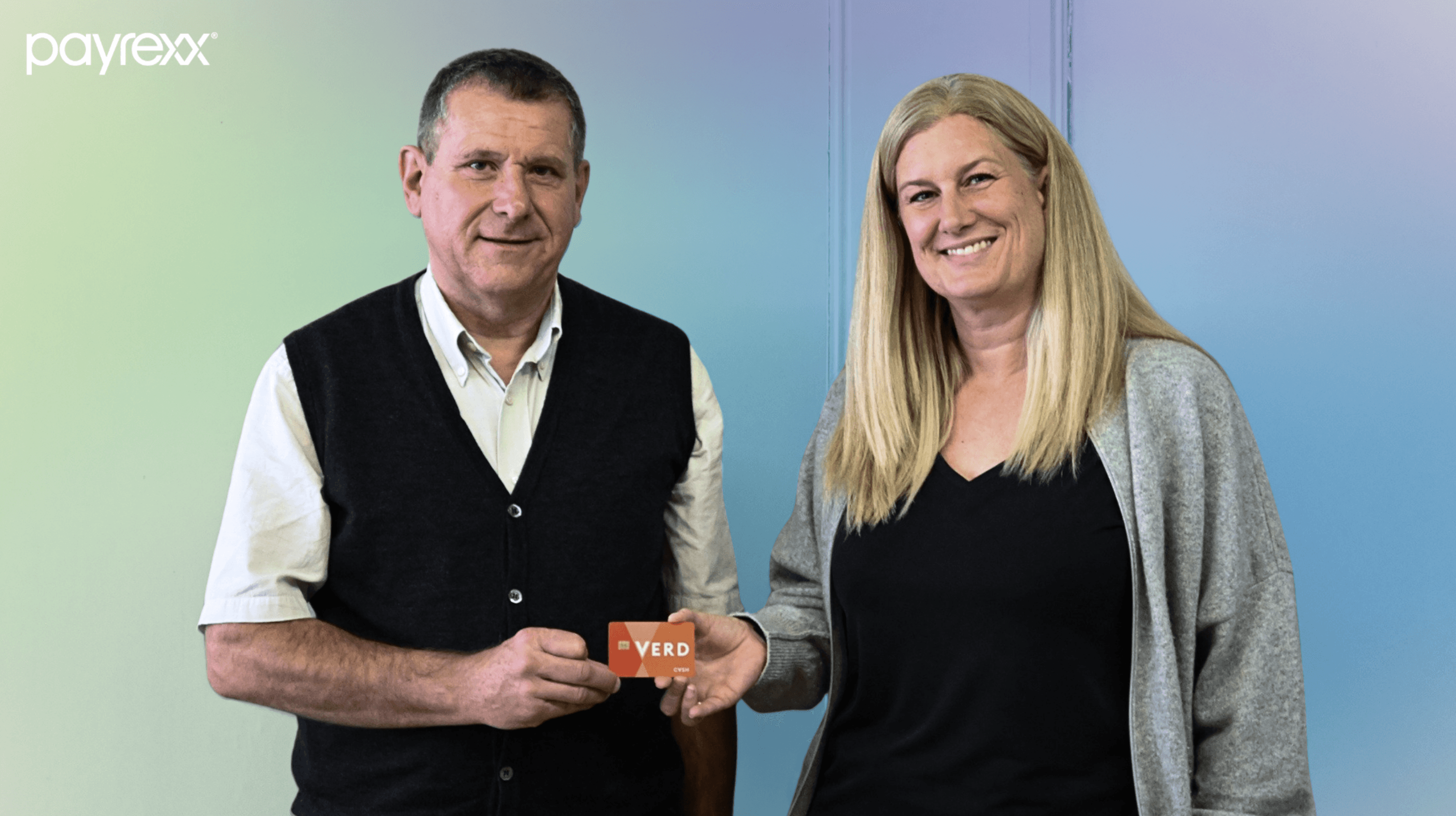
With Payrexx digital: VERD, the fair Swiss payment card, goes online
VERD.cash, the non-profit payment method of the VERD cooperative, is now also available for use in Swiss e-commerce. Payrexx is integrating VERD pro bono into its payment solution, thereby enabling payments with the orange VERD card in around 7,000 Swiss online shops.
from
Sheila
Matti
•
Nov 25, 2025

Payment
3G shutdown in Switzerland: Secure your new payment terminal before the outage
Sunrise already did it in June, and by the end of 2025, Swisscom will follow: The 3G network will be shut down nationwide in Switzerland. This may also impact your payment reception if you are still using an old terminal based on 3G. In the following article, you will learn the reasons for the shutdown, its consequences, and the steps you need to take to protect your business against failures.
from
Sheila
Matti
•
Nov 20, 2025
Payment
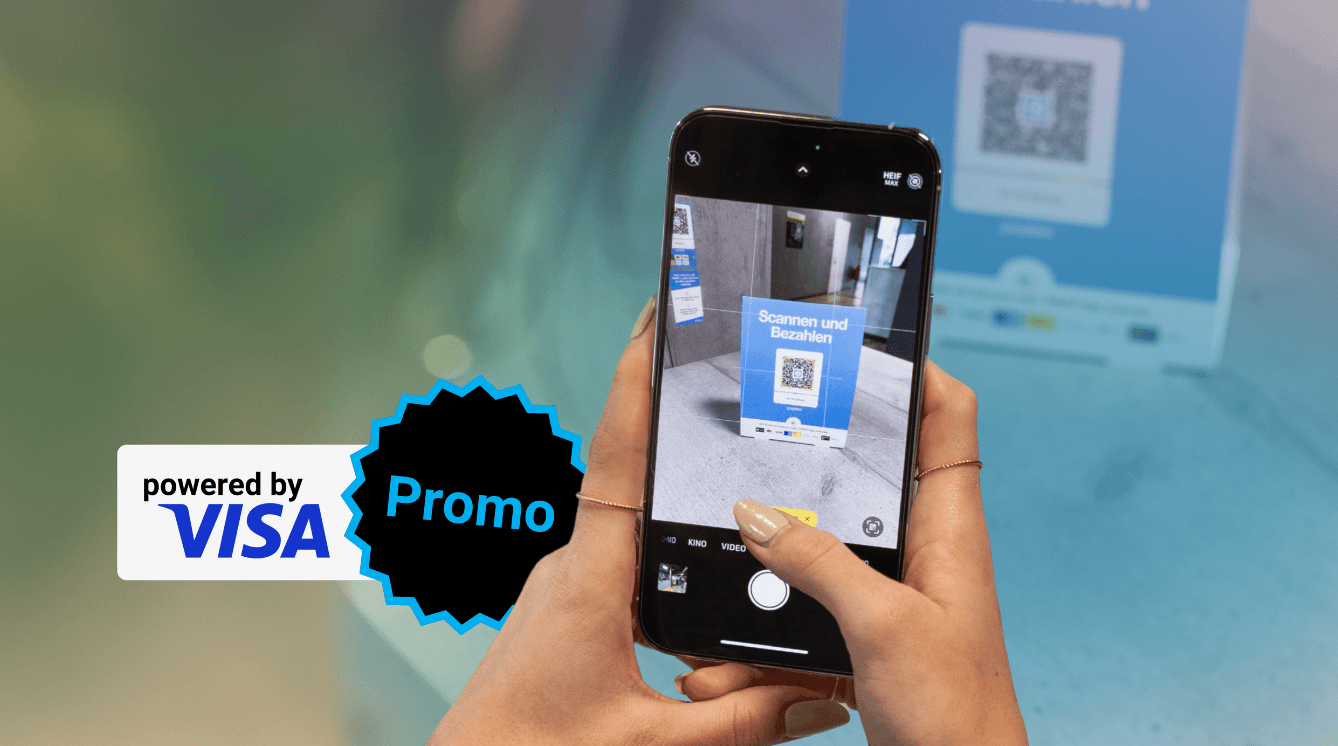
Payrexx integrates Click to Pay with Visa in QR Pay
Together with Visa, Payrexx is optimizing its popular QR code payment solution: With Click to Pay, users can pay with just a few clicks without having to enter their card details. To celebrate the partnership, Payrexx is also significantly reducing transaction costs.
from
Sheila
Matti
•
Nov 20, 2025
Payment
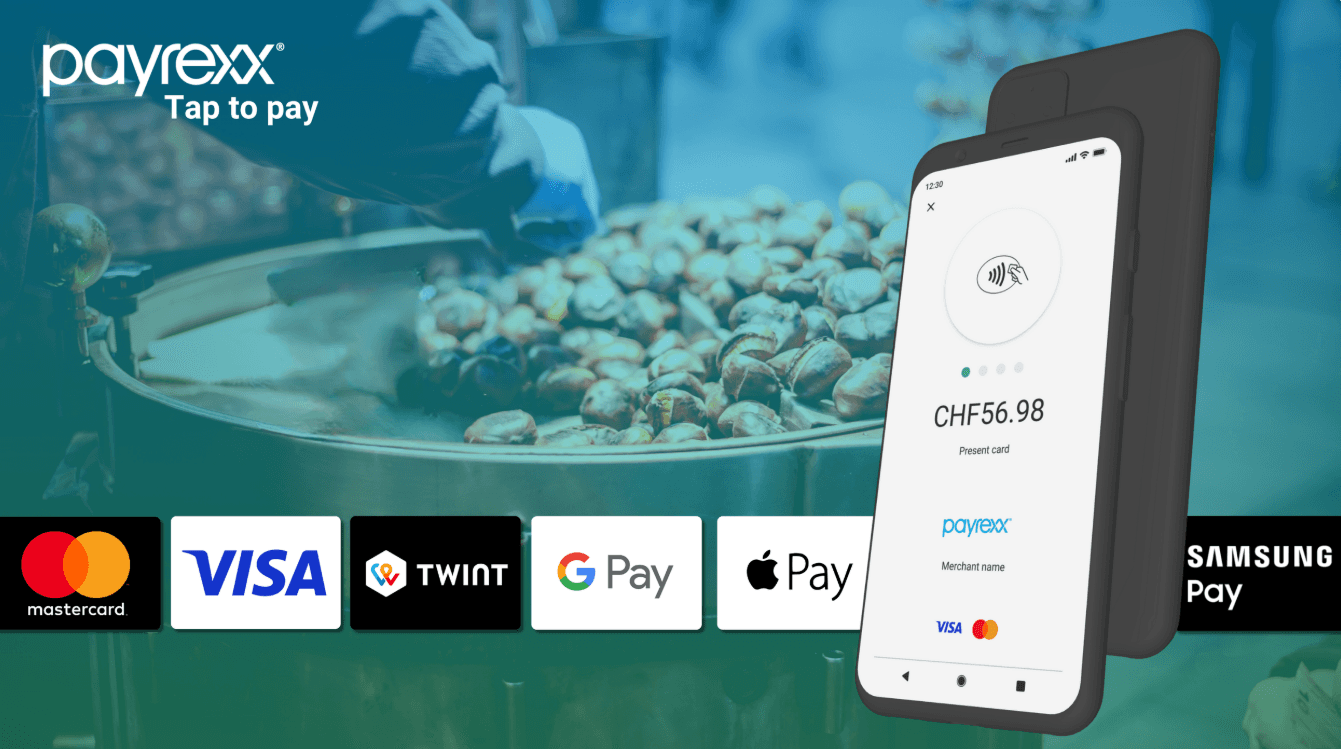
Your affordable alternative to the Kartenlesegerät: That is Payrexx Tap to Pay
With Tap to Pay from Payrexx, you transform your smartphone into a terminal and become independent of expensive hardware. The solution is cost-efficient, flexibly deployable, and just as secure as a classic Kartenlesegerät.
from
Linda
Rajan
•
Nov 20, 2025

Payment
Payrexx applies for a European Payment Institution License in Liechtenstein
Swiss Payrexx AG, specialized in innovative payment solutions for SMEs, is expanding into the European Economic Area (EEA). For this purpose, it established its first subsidiary, Payrexx Europe AG, in Liechtenstein. The aim is to extensively serve Comerciantes in Germany, Austria, and other European countries in the future by obtaining a European payment institution license (PI license).
from
Sheila
Matti
•
Nov 20, 2025

Payment
Purchase on account: Why you should offer this payment method as an Onlinehändler:in
The payment method purchase on account is often the decisive tool to turn hesitant first-time visitors into paying customers. In this article, you will learn why this payment method is so important in Swiss e-commerce and how you can easily offer it in your shop with Payrexx.
from
Linda
Rajan
•
Nov 20, 2025

Payment
Payrexx appoints a new CFO: At just 24 years old, Hendrik Schulenburg takes over the financial management of the Swiss payment provider
Payrexx, the leading Swiss payment provider for SMEs, appoints Hendrik Schulenburg as the new Chief Financial Officer (CFO). The 24-year-old economist has been part of the company since 2021 and will assume financial responsibility in the future.
from
Melanie
Frutiger
•
Nov 20, 2025
Payment
Comparison of Swiss online payment providers for 2026
Finding the perfect payment provider for an online shop can be a real challenge but is invaluable. This article compares the nine most important payment providers for Swiss online shops – namely Datatrans by Planet, PayPal, Payrexx, PostFinance, Stripe, wallee, Worldline, saldiaPay, and zahls.ch, to ease the selection process.
from
Melanie
Frutiger
•
Mar 2, 2026
Industry News
Payment solution for small businesses, market stalls, or vending machines: QR Pay
For small stores, market stalls, or take-away businesses, every minute and every franc counts. Customers want to pay quickly and contactlessly today, and comerciantes want to save on fees and avoid expensive card terminals at the same time. This is exactly where Payrexx QR Pay comes in – now in combination with Visa Click to Pay.
from
Melanie
Frutiger
•
Jan 29, 2026
Industry News
Social Commerce: Just hype or genuine revenue driver for Swiss Comerciantes?
The integration of e-commerce features into social media is more than just a trend; it is a change in the way we discover products. But what does the reality look like for Swiss Online Comerciante in 2026? Is it worth getting started for you? We take a look at the current figures.
from
Linda
Rajan
•
Jan 16, 2026
Press release
Payrexx initiates the next growth phase: Anja Traum becomes the new CEO, founder Ivan Schmid remains on the Board of Directors
The Swiss fintech company and payment provider Payrexx AG is about to undergo a leadership change: As of January 1, 2026, Anja Traum will become the new CEO and is to accompany the company in the upcoming expansion phase. The founder and previous CEO, Ivan Schmid, will remain strategically connected to Payrexx.
from
Sheila
Matti
•
Dec 16, 2025
Industry News
Black Friday 2025: Why sales are falling and how e-commerce Comerciantes can still benefit
Black Friday remains one of the key revenue drivers for Swiss online shops. However, a look at the Payrexx payment data shows: While sales increase significantly compared to the previous week, the total revenue on Black Friday is lower compared to the previous year. What does this mean for e-commerce, and how can these insights be leveraged by the online comerciantes?
from
Melanie
Frutiger
•
Dec 11, 2025
Industry News
With Payrexx digital: VERD, the fair Swiss payment card, goes online
VERD.cash, the non-profit payment method of the VERD cooperative, is now also available for use in Swiss e-commerce. Payrexx is integrating VERD pro bono into its payment solution, thereby enabling payments with the orange VERD card in around 7,000 Swiss online shops.
from
Sheila
Matti
•
Nov 25, 2025
Payment
3G shutdown in Switzerland: Secure your new payment terminal before the outage
Sunrise already did it in June, and by the end of 2025, Swisscom will follow: The 3G network will be shut down nationwide in Switzerland. This may also impact your payment reception if you are still using an old terminal based on 3G. In the following article, you will learn the reasons for the shutdown, its consequences, and the steps you need to take to protect your business against failures.
from
Sheila
Matti
•
Nov 20, 2025
Payment
Payrexx integrates Click to Pay with Visa in QR Pay
Together with Visa, Payrexx is optimizing its popular QR code payment solution: With Click to Pay, users can pay with just a few clicks without having to enter their card details. To celebrate the partnership, Payrexx is also significantly reducing transaction costs.
from
Sheila
Matti
•
Nov 20, 2025
Payment
Your affordable alternative to the Kartenlesegerät: That is Payrexx Tap to Pay
With Tap to Pay from Payrexx, you transform your smartphone into a terminal and become independent of expensive hardware. The solution is cost-efficient, flexibly deployable, and just as secure as a classic Kartenlesegerät.
from
Linda
Rajan
•
Nov 20, 2025
Payment
Payrexx applies for a European Payment Institution License in Liechtenstein
Swiss Payrexx AG, specialized in innovative payment solutions for SMEs, is expanding into the European Economic Area (EEA). For this purpose, it established its first subsidiary, Payrexx Europe AG, in Liechtenstein. The aim is to extensively serve Comerciantes in Germany, Austria, and other European countries in the future by obtaining a European payment institution license (PI license).
from
Sheila
Matti
•
Nov 20, 2025
Payment
Purchase on account: Why you should offer this payment method as an Onlinehändler:in
The payment method purchase on account is often the decisive tool to turn hesitant first-time visitors into paying customers. In this article, you will learn why this payment method is so important in Swiss e-commerce and how you can easily offer it in your shop with Payrexx.
from
Linda
Rajan
•
Nov 20, 2025
Payment
Payrexx appoints a new CFO: At just 24 years old, Hendrik Schulenburg takes over the financial management of the Swiss payment provider
Payrexx, the leading Swiss payment provider for SMEs, appoints Hendrik Schulenburg as the new Chief Financial Officer (CFO). The 24-year-old economist has been part of the company since 2021 and will assume financial responsibility in the future.
from
Melanie
Frutiger
•
Nov 20, 2025
Payment
Comparison of Swiss online payment providers for 2026
Finding the perfect payment provider for an online shop can be a real challenge but is invaluable. This article compares the nine most important payment providers for Swiss online shops – namely Datatrans by Planet, PayPal, Payrexx, PostFinance, Stripe, wallee, Worldline, saldiaPay, and zahls.ch, to ease the selection process.
from
Melanie
Frutiger
•
Mar 2, 2026
Industry News
Payment solution for small businesses, market stalls, or vending machines: QR Pay
For small stores, market stalls, or take-away businesses, every minute and every franc counts. Customers want to pay quickly and contactlessly today, and comerciantes want to save on fees and avoid expensive card terminals at the same time. This is exactly where Payrexx QR Pay comes in – now in combination with Visa Click to Pay.
from
Melanie
Frutiger
•
Jan 29, 2026
Industry News
Social Commerce: Just hype or genuine revenue driver for Swiss Comerciantes?
The integration of e-commerce features into social media is more than just a trend; it is a change in the way we discover products. But what does the reality look like for Swiss Online Comerciante in 2026? Is it worth getting started for you? We take a look at the current figures.
from
Linda
Rajan
•
Jan 16, 2026
Press release
Payrexx initiates the next growth phase: Anja Traum becomes the new CEO, founder Ivan Schmid remains on the Board of Directors
The Swiss fintech company and payment provider Payrexx AG is about to undergo a leadership change: As of January 1, 2026, Anja Traum will become the new CEO and is to accompany the company in the upcoming expansion phase. The founder and previous CEO, Ivan Schmid, will remain strategically connected to Payrexx.
from
Sheila
Matti
•
Dec 16, 2025
Industry News
Black Friday 2025: Why sales are falling and how e-commerce Comerciantes can still benefit
Black Friday remains one of the key revenue drivers for Swiss online shops. However, a look at the Payrexx payment data shows: While sales increase significantly compared to the previous week, the total revenue on Black Friday is lower compared to the previous year. What does this mean for e-commerce, and how can these insights be leveraged by the online comerciantes?
from
Melanie
Frutiger
•
Dec 11, 2025
Industry News
With Payrexx digital: VERD, the fair Swiss payment card, goes online
VERD.cash, the non-profit payment method of the VERD cooperative, is now also available for use in Swiss e-commerce. Payrexx is integrating VERD pro bono into its payment solution, thereby enabling payments with the orange VERD card in around 7,000 Swiss online shops.
from
Sheila
Matti
•
Nov 25, 2025
Payment
3G shutdown in Switzerland: Secure your new payment terminal before the outage
Sunrise already did it in June, and by the end of 2025, Swisscom will follow: The 3G network will be shut down nationwide in Switzerland. This may also impact your payment reception if you are still using an old terminal based on 3G. In the following article, you will learn the reasons for the shutdown, its consequences, and the steps you need to take to protect your business against failures.
from
Sheila
Matti
•
Nov 20, 2025
Payment
Payrexx integrates Click to Pay with Visa in QR Pay
Together with Visa, Payrexx is optimizing its popular QR code payment solution: With Click to Pay, users can pay with just a few clicks without having to enter their card details. To celebrate the partnership, Payrexx is also significantly reducing transaction costs.
from
Sheila
Matti
•
Nov 20, 2025
Payment
Your affordable alternative to the Kartenlesegerät: That is Payrexx Tap to Pay
With Tap to Pay from Payrexx, you transform your smartphone into a terminal and become independent of expensive hardware. The solution is cost-efficient, flexibly deployable, and just as secure as a classic Kartenlesegerät.
from
Linda
Rajan
•
Nov 20, 2025
Payment
Payrexx applies for a European Payment Institution License in Liechtenstein
Swiss Payrexx AG, specialized in innovative payment solutions for SMEs, is expanding into the European Economic Area (EEA). For this purpose, it established its first subsidiary, Payrexx Europe AG, in Liechtenstein. The aim is to extensively serve Comerciantes in Germany, Austria, and other European countries in the future by obtaining a European payment institution license (PI license).
from
Sheila
Matti
•
Nov 20, 2025
Payment
Purchase on account: Why you should offer this payment method as an Onlinehändler:in
The payment method purchase on account is often the decisive tool to turn hesitant first-time visitors into paying customers. In this article, you will learn why this payment method is so important in Swiss e-commerce and how you can easily offer it in your shop with Payrexx.
from
Linda
Rajan
•
Nov 20, 2025
Payment
Payrexx appoints a new CFO: At just 24 years old, Hendrik Schulenburg takes over the financial management of the Swiss payment provider
Payrexx, the leading Swiss payment provider for SMEs, appoints Hendrik Schulenburg as the new Chief Financial Officer (CFO). The 24-year-old economist has been part of the company since 2021 and will assume financial responsibility in the future.
from
Melanie
Frutiger
•
Nov 20, 2025
Test for free now
Create your Payrexx account in minutes and test the most convenient payment solution for SMEs without obligation and free of charge!
Test for free now
Create your Payrexx account in minutes and test the most convenient payment solution for SMEs without obligation and free of charge!
Test for free now
Create your Payrexx account in minutes and test the most convenient payment solution for SMEs without obligation and free of charge!
Tap to Pay mobile app herunterladen:

Products
Industries
Resources
Prices
Copyright © 2026 – All rights reserved
Tap to Pay mobile app herunterladen:
Products
Industries
Resources
Prices
Copyright © 2026 – All rights reserved
Tap to Pay mobile app herunterladen:
Products
Industries
Resources
Prices
Copyright © 2026 – All rights reserved