
Pubblicato:
Ultimo aggiornamento (contenuto):
Ultimo aggiornamento (prezzi):
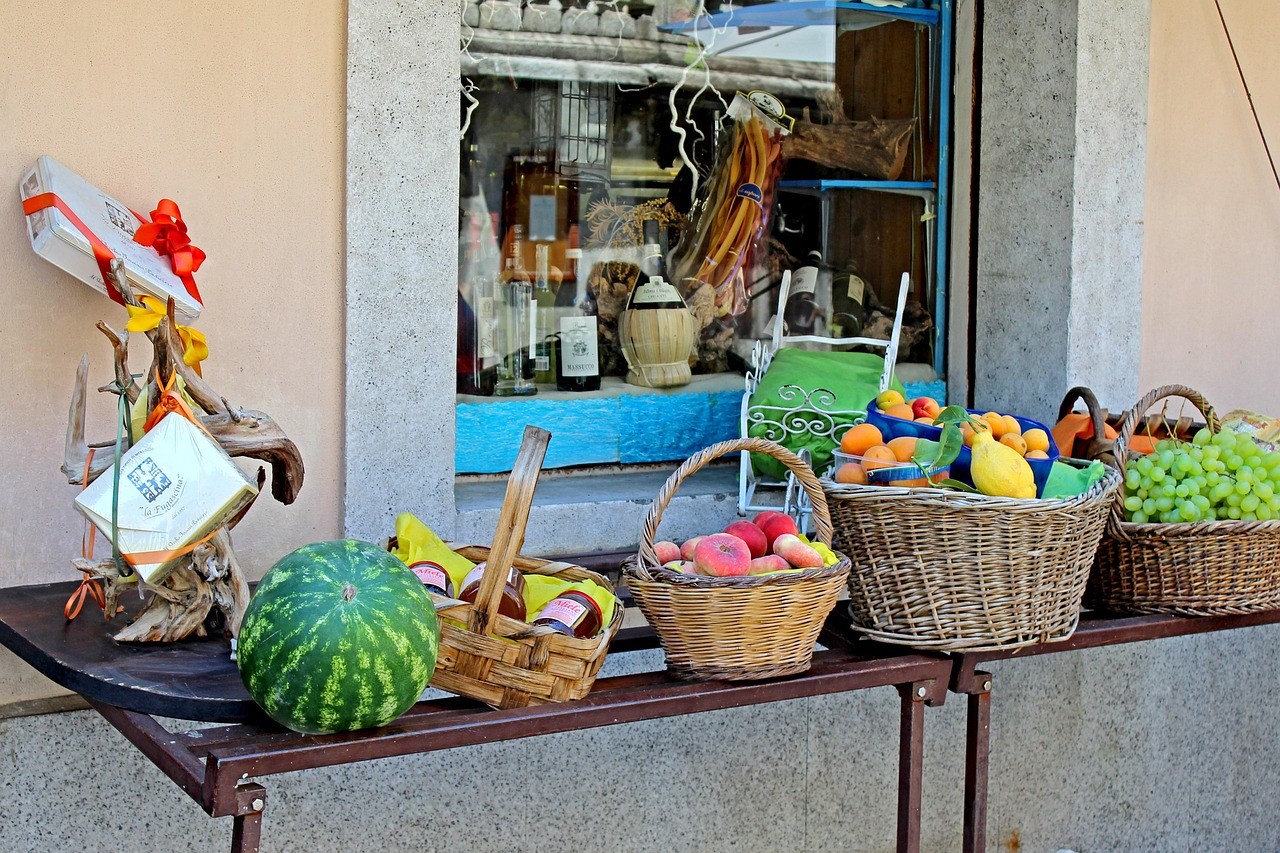
I food truck, i banchi di mercato e le aziende di catering svizzere possono combinare un semplice negozio online di ordinazione con una soluzione di pagamento in loco, senza dover gestire due sistemi separati. Per farlo, utilizzi un Payment Service Provider (PSP) che offre sia pagamenti online che terminali per carte o Tap to Pay — idealmente con un'unica dashboard comune per tutte le entrate in EUR. Le commissioni di transazione variano tra l'1,3 % (TWINT) e il 2,5 % (carta di credito) per pagamento, a seconda del metodo di pagamento.
Questa guida ti mostra passo dopo passo come configurare un negozio online per i preordini, collegare il pagamento in loco e gestire entrambi tramite un account — con costi concreti, confronti tra fornitori e una checklist pratica per la gastronomia mobile svizzera.
1. Perché i food truck e i banchi di mercato oggi devono vendere online e sul posto
La gastronomia svizzera sta cambiando. Secondo il Swiss Payment Monitor, oltre il 70 % dei consumatori svizzeri utilizza regolarmente mezzi di pagamento senza contanti. Per i food truck e i banchi mobili questo significa: chi accetta solo contanti perde clienti. Allo stesso tempo, i clienti abituali si aspettano sempre più la possibilità di preordinare online e ritirare il proprio cibo all'ora desiderata.
La combinazione di negozio online e pagamento in loco risolve diversi problemi contemporaneamente: le code al banco si accorciano, perché chi preordina deve solo ritirare il proprio cibo. I clienti di passaggio possono pagare spontaneamente con carta, TWINT o smartphone. E tu, come gestore, vedi tutte le entrate — online e offline — in un unico posto.
Soprattutto per le postazioni ricorrenti (mercati settimanali, aree aziendali, festival), un sistema di preordine rappresenta un vantaggio competitivo: puoi pianificare meglio la quantità di merce e riduci gli sprechi alimentari. Allo stesso tempo, attraverso il negozio online costruisci una relazione digitale con i clienti che va oltre il contatto fisico al banco.
2. Tre scenari: preordine + ritiro, clienti di passaggio, servizi di catering
Scenario A: Preordine e ritiro
Il tuo cliente ordina un menu per il pranzo tramite il tuo negozio online la sera prima o la mattina stessa, paga online con TWINT o carta di credito e ritira il cibo pronto all'ora concordata presso il food truck. Prepari l'ordine in modo mirato ed eviti la sovrapproduzione. Questo modello è particolarmente adatto per i mercati settimanali con clienti abituali o per i food truck nelle aree aziendali.
Scenario B: Clienti di passaggio sul posto
Un passante scopre il tuo banco e ordina spontaneamente. Paga in modo contactless con carta di debito, carta di credito, Apple Pay, Google Pay o tramite codice QR TWINT. Per farlo ti serve un terminale per carte mobile o il Tap to Pay sul tuo smartphone. Tap to Pay significa che il tuo dispositivo iPhone o Android diventa esso stesso un lettore di carte — senza hardware aggiuntivo.
Scenario C: Catering e ordini per eventi
Un'azienda ordina un catering per 30 persone tramite il tuo negozio online e paga con fattura QR o pagamento anticipato. Il giorno dell'evento consegni il cibo e, se necessario, incassi pagamenti aggiuntivi degli ospiti sul posto tramite terminale. In questo scenario hai anche bisogno della possibilità di creare fatture con riferimento QR, un servizio offerto da molti PSP svizzeri.
3. Creare un semplice negozio online di ordinazione — senza conoscenze di programmazione
Per la maggior parte dei gestori di food truck, un negozio online completo con gestione della merce è sovradimensionato. Ciò di cui hai bisogno è una semplice pagina di prodotto con carrello della spesa, dove i tuoi clienti possono selezionare un menu o singoli piatti, indicare un orario di ritiro e pagare online.
Diversi fornitori svizzeri consentono di farlo senza conoscenze di programmazione. Le opzioni più comuni:
Soluzione | Tipo | Costi mensili | Particolarità |
Payrexx Pages | Shop One-Page ospitato | Da EUR 0 (Free) a EUR 39/mese | Stesso PSP per online + sul posto |
WooCommerce + plugin PSP | Shop ospitato autonomamente | Hosting da circa EUR 10/mese + tariffe PSP | Controllo totale, maggiore impegno |
Shopify Starter | Shop ospitato | Da circa USD 5/mese + tariffe di transaz. | Grande selezione di app, ma incentrato sugli USA |
Negozio online SumUp | Mini-shop integrato | Incluso nelle tariffe SumUp | Solo pagamenti SumUp, no TWINT |
Il punto cruciale per la soluzione combinata per eventi: scegli un fornitore con cui il negozio online e il pagamento in loco funzionano tramite lo stesso account. In questo modo eviti doppie contabilizzazioni e hai un'unica dashboard per tutte le entrate. Se combini un fornitore di negozio online separato (ad es. woocommerce) con un fornitore di terminali separato (ad es. SumUp), avrai due sistemi separati e due conteggi.
Indipendentemente dal fornitore, quando configuri il negozio online dovresti prestare attenzione ai seguenti punti: limita l'assortimento a pochi prodotti chiaramente descritti. Offri fasce orarie di ritiro in modo da poter pianificare la preparazione. Attiva almeno TWINT e le carte di credito come metodi di pagamento — questo copre la maggior parte dei clienti svizzeri. E inserisci il link del negozio online in modo ben visibile sul tuo profilo Instagram o sulla tua pagina Google Business.
4. Collegare il pagamento in loco in modo ottimale: terminale, Tap to Pay o QR TWINT allo stesso account
Per il pagamento al banco hai tre opzioni comuni in Svizzera:
Terminale per carte mobile
Un dispositivo fisico (ad es. di SumUp, Worldline o tramite Payrexx) che accetta carte di debito, carte di credito e pagamenti contactless. I dispositivi hanno un costo una tantum compreso tra EUR 16 e EUR 400, a seconda della gamma di funzioni. Un SumUp Air costa circa EUR 16 senza vincoli contrattuali, un terminale Worldline viene spesso noleggiato (da circa EUR 25–40/mese).
Tap to Pay sullo smartphone
Tap to Pay trasforma il tuo smartphone in un terminale per carte. Il cliente avvicina la sua carta o il suo smartphone al tuo dispositivo e il pagamento viene elaborato tramite NFC. Diversi PSP offrono questa funzione — con Payrexx, ad esempio, Tap to Pay è disponibile a partire da una tariffa di verifica una tantum di EUR 49, con SumUp tramite l'app. Tap to Pay è particolarmente adatto per le attività che desiderano portare con sé il minor numero possibile di dispositivi hardware.
Codice QR TWINT
Un adesivo QR TWINT al tuo banco consente pagamenti direttamente tramite l'app TWINT del cliente. La tariffa per l'adesivo QR di base è dell'1,3 % dell'importo della transazione — senza costi fissi mensili. In alternativa, TWINT funziona tramite il tuo PSP, nel qual caso si applicano le sue condizioni TWINT (ad es. 1,25 % + EUR 0.18 con Payrexx Standard o 1,30 % + EUR 0.30 con Payrexx Free).
La chiave per la soluzione combinata: il metodo di pagamento in loco dovrebbe funzionare tramite lo stesso PSP del tuo negozio online. In questo modo tutte le transazioni confluiscono in un'unica dashboard e ricevi un conteggio consolidato. Nella scelta, assicurati che il PSP supporti sia i pagamenti online che i pagamenti fisici (terminale o Tap to Pay).
5. Un'unica dashboard, tutte le entrate: gestire centralmente i pagamenti online e sul posto
Il più grande vantaggio operativo di una soluzione combinata è la gestione centralizzata. Invece di confrontare due rendiconti di due fornitori diversi alla fine del mese, vedi in un'unica dashboard:
Tutti gli ordini online dal negozio online, tutti i pagamenti in loco tramite terminale o Tap to Pay, tutte le transazioni TWINT — sia online che al banco — così come il totale delle entrate giornaliere, settimanali e mensili suddivise per metodo di pagamento.
Questo facilita non solo la contabilità, ma anche la pianificazione: identifichi rapidamente quale quota delle tue entrate proviene dai preordini e quale dai clienti di passaggio. Se lavori con un fiduciario, puoi utilizzare il conteggio consolidato direttamente come base per la registrazione contabile.
Il pagamento sul tuo conto bancario svizzero (IBAN) avviene quotidianamente, settimanalmente o mensilmente a seconda del PSP. For la corretta registrazione nel piano dei conti svizzero per le PMI, si raccomanda un conto transitorio (ad es. conto 1090), che riflette il ritardo temporale tra il pagamento del cliente e il versamento. Registri le commissioni di transazione del PSP come spese bancarie (conto 6840), senza detrazione dell'IVA, poiché i servizi di pagamento sono esenti dall'imposta ai sensi dell'art. 21 cpv. 2 n. 19 LIVA.
6. Esempio pratico: come un food truck utilizza Payrexx per il mercato settimanale e gli ordini su Instagram
Lisa gestisce un food truck di poke bowl nella Regione di Zurigo. Il sabato si trova al mercato settimanale di Bülach, durante la settimana in un'area aziendale a Wallisellen. Ecco come ha configurato la sua soluzione combinata:
Negozio online per i preordini: tramite Payrexx Storefront, Lisa ha creato uno shop one-page in cui sono elencate le sue cinque poke bowl (a EUR 18.50 l'una) e tre bevande. I clienti scelgono una fascia oraria per il ritiro (ad es. 11:30–12:00) e pagano con TWINT o carta de credito. Condivide il link dello shop ogni mercoledì sera nella sua storia di Instagram.
Pagamento sul posto al mercato: al mercato settimanale, Lisa utilizza Tap to Pay sul suo iPhone. I clienti di passaggio avvicinano la propria carta di debito o il proprio smartphone al telefono di Lisa e pagano in modo contactless. Inoltre, ha un adesivo QR TWINT sul bancone per i clienti che preferiscono pagare tramite l'app TWINT.
Rendiconto centralizzato: tutti i pagamenti — i preordini da Instagram e gli acquisti spontanei al mercato — passano attraverso lo stesso account Payrexx. Lisa vede nella dashboard che ormai circa il 35 % del suo fatturato proviene dai preordini. Esporta il suo rendiconto settimanale in formato CSV per il suo fiduciario.
Costi mensili: Lisa utilizza il piano Payrexx Standard per EUR 15/mese. Con un fatturato mensile di circa EUR 8’000 (di cui circa EUR 5’000 con carta/TWINT), paga effettivamente tra EUR 65 e EUR 115 di commissioni di transazione, a seconda del mix di pagamenti — più la quota di abbonamento di EUR 15.
7. Costi sotto controllo: quanto costa la soluzione combinata per le piccole attività
I costi di una soluzione di pagamento combinata online e sul posto sono composti da tre elementi: costi fissi mensili (abbonamento), commissioni di transazione per pagamento ed eventualmente costi hardware per un terminale. La tabella seguente confronta i fornitori rilevanti per un tipico food truck con un fatturato mensile tramite carta di EUR 5’000:
Fornitore | Abbonamento mensile | Carta di credito | TWINT | Terminale | Negozio online |
Payrexx Free | EUR 0 | 2,50% + 0.30 | 1,30% + 0.30 | Tap to Pay | Storefront |
Payrexx Standard | EUR 15 | 1,65% + 0.18 | 1,25% + 0.18 | Tap to Pay / Terminale | Storefront + API |
SumUp (senza abbonamento) | EUR 0 | 2,50% | Non disponibile | Da EUR 16 | Mini-shop |
SumUp One | EUR 29 | 0,99–1,99% | Non disponibile | 50% di sconto | Mini-shop |
Adesivo QR TWINT (diretto) | EUR 0 | — | 1,30% | — | — |
Tutti i prezzi si intendono IVA esclusa. Le commissioni indicate per le carte di credito si applicano alle carte di consumo svizzere (Visa/Mastercard). Le carte aziendali e le carte estere possono comportare commissioni più elevate.
Un esempio concreto di calcolo: con un fatturato mensile di EUR 5’000, di cui il 60 % con carta di credito/debito e il 40 % con TWINT, con Payrexx Standard si ottiene una spesa mensile totale di circa EUR 90–100 (EUR 15 di abbonamento + circa EUR 50 di commissioni sulle carte + circa EUR 25–35 di commissioni TWINT). Con SumUp senza abbonamento (solo pagamento con carta, senza TWINT) ti trovi a spendere circa EUR 75–125 in sole commissioni di transazione — tuttavia senza la funzione di negozio online con TWINT integrato.
Considera questo: le commissioni di transazione più basse servono a poco se poi devi riconciliare manualmente due sistemi separati. Il tempo necessario per le doppie fatturazioni, i controlli manuali e le esportazioni separate può erodere rapidamente il vantaggio economico. Fai i calcoli per il tuo fatturato concreto per vedere se conviene di più una soluzione singola o una soluzione combinata.
8. Checklist: configurare negozio online + pagamento in loco per il tuo food truck
Verificare la forma giuridica: come ditta individuale o SAGL puoi registrarti direttamente presso la maggior parte dei PSP svizzeri. Un'iscrizione nel registro di commercio accelera l'attivazione.
Scegliere un PSP che offra pagamenti online e in loco da un unico fornitore. Assicurati che siano coperti TWINT, Visa/Mastercard e le carte di debito.
Configurare il negozio online: inserire prodotti, prezzi in EUR, fasce orarie di ritiro e dati di contatto. Meno è meglio — mantieni l'assortimento chiaro.
Attivare i metodi di pagamento nel negozio online: almeno TWINT e carta di credito. Verifica se la fattura QR ha senso per gli ordini di catering.
Configurare il metodo di pagamento in loco: ordinare il terminale, attivare Tap to Pay o richiedere l'adesivo QR TWINT.
Effettuare un ordine di prova: fai tu stesso un ordine nel tuo negozio online, verifica il processo di pagamento e testa il terminale o Tap to Pay prima del primo utilizzo.
Inserire il conto di versamento: inserisci l'IBAN svizzero e definisci la frequenza di pagamento (quella settimanale è consigliata per i food truck con acquisti di merce correnti).
Diffondere il link del negozio online: biografia di Instagram, Google Business Profile, volantini al banco, codice QR sul menu.
Preparare la contabilità: configurare il conto transitorio 1090, registrare le commissioni sul conto 6840. Per piccoli volumi è sufficiente una registrazione cumulativa mensile.
Analizzare dopo il primo mese: quanto fatturato arriva online, quanto sul posto? Il mix di pagamenti è corretto? Se necessario, adegua l'abbonamento o i metodi di pagamento.
Come combinare il negozio online Payrexx e il pagamento in loco per il tuo food truck
Come PSP svizzero, Payrexx offre una soluzione combinata proprio per questo scenario: tramite lo Storefront di Payrexx crei un negozio online di ordinazione senza conoscenze di programmazione, attivi TWINT, carta di credito e altri metodi di pagamento e, allo stesso tempo, accetti pagamenti in loco tramite Tap to Pay o terminale.
Tutte le transazioni — online e al banco — passano attraverso un unico account con rendiconto e versamento consolidati sul tuo conto IBAN svizzero. Il piano Free è perfetto per provare, il piano Standard a partire da EUR 15/mese offre commissioni di transazione più basse e accesso API per integrazioni avanzate.
Puoi provare Payrexx gratuitamente per 30 giorni, senza carta di credito o obblighi.
Domande frequenti su webshop e pagamenti in loco per food truck in Svizzera
Come gestore di un food truck, hai bisogno di un sistema di cassa per incassare online e sul posto?
No. Per la combinazione di webshop e pagamento in loco è sufficiente un PSP con funzione storefront e Tap to Pay oppure un terminale mobile. Un sistema di cassa completo con gestione merci è sovradimensionato per la maggior parte dei food truck.
Vedi risposta dettagliata
Posso accettare TWINT al food truck senza avere un terminale per carte?
Sì. Puoi accettare TWINT tramite un adesivo con codice QR, che puoi richiedere direttamente a TWINT. In alternativa, puoi anche ordinare un adesivo con codice QR e un espositore da Payrexx.
Vedi risposta dettagliata
Devo avere un registratore di cassa come food truck, se incasso senza contanti?
In Svizzera non esiste l'obbligo legale di utilizzare un registratore di cassa. Sei tuttavia tenuto a registrare correttamente tutte le entrate — indipendentemente dal fatto che tu incassi in contanti o senza contanti.
Vedi risposta dettagliata
Come posso promuovere il mio webshop del food truck tramite Instagram e i social media?
Aggiungi il link al tuo shop online nella biografia di Instagram, condividi regolarmente il link nelle storie e utilizza l'adesivo con il link. Puoi anche stampare un codice QR che rimanda direttamente allo shop online e incollarlo su volantini, menu o sul tuo food truck. Puoi condividere facilmente Payrexx Pages su tutti i canali.
Vedi risposta dettagliata
Quanto tempo ci vuole prima che riceva i pagamenti dal mio PSP sul mio conto bancario?
I tempi di pagamento variano a seconda del fornitore. Con la maggior parte dei PSP svizzeri, ricevi il pagamento entro 2-7 giorni lavorativi bancari, a seconda del ritmo di pagamento scelto (giornaliero, settimanale o mensile). Payrexx ha come standard pagamenti settimanali, il pagamento arriva cumulato da tutti i mezzi di pagamento, incluso Twint.